
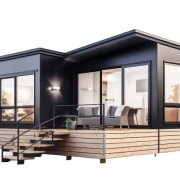
Why Metal Buildings are Taking Over Back Yards
 Backyards across America are undergoing a transformation as homeowners are increasingly turning to metal buildings to maximize their outdoor spaces. Unsurprisingly, structures, known for their durability and versatility, are being used for a variety of purposes, from protecting recreational vehicles to creating dedicated spaces for hobbies and work.
The Rise of Tube Steel Buildings
Tube steel buildings are constructed using hollow steel tubes, which provide strength while keeping the structure lightweight. As a result, this design makes them an ideal choice for various backyard applications.
Advantages of Tube Steel Structures
Durability:
Steel is resistant to pests, rot, and fire, ensuring longevity.
Ease of Assembly:
Many kits are designed for DIY installation, requiring minimal tools.
Cost-Effective:
Compared to traditional construction, tube steel buildings are often more affordable.
Low Maintenance:
Steel structures require less upkeep than wood counterparts.
Popular Backyard Applications
RV Covers
Protecting recreational vehicles from the elements is crucial. Undoubtedly, metal RV covers offer a sturdy solution, shielding vehicles from sun, rain, and snow. Companies like CCR Buildings specialize in customizable RV metal building covers to fit various sizes and needs.
Workshops and Sheds
For DIY enthusiasts and professionals alike, having a dedicated workspace is invaluable. Currently, tube steel workshops provide a secure and weather-resistant environment for tools and projects. Mueller, Inc. offers backyard building kits that are both functional and aesthetically pleasing.
Artist Studios
Creatives are transforming their backyards into sanctuaries for inspiration, so metal buildings serve as excellent artist studios, offering ample natural light and customizable interiors. Specifically, The Pratt Fine Arts Center showcases how metal structures can be adapted for artistic endeavors.
Home Offices
With the rise of remote work, having a separate office space has become essential. Therefore, tube steel buildings can easily be insulated and finished to create comfortable home offices, providing a clear boundary between work and home life.
Greenhouses
Gardeners are utilizing tube steel structures to extend their growing seasons. Accordingly, buildings can be fitted with transparent panels to create efficient greenhouses, protecting plants from harsh weather while allowing sunlight in.
Customization and Design
Modern tube steel buildings are far from the generic metal sheds of the past, so manufacturers offer a range of customization options:
Color Choices:
Match the building to your home or landscape.
Roof Styles:
Choose from gabled, flat, or sloped roofs.
Doors and Windows:
Add natural light and accessibility.
Insulation:
Ensure comfort year-round. Companies like provide DIY steel building kits with various customization options to suit individual needs.
Considerations Before Installation
Zoning and Permits
Before erecting a tube steel building, check local zoning laws and building codes, since some areas may have restrictions on structure size, placement, or usage.
Foundation Requirements
A stable foundation is crucial, because depending on the building’s purpose, a concrete slab or piers may be necessary to ensure stability and longevity.
Insulation and Ventilation
For structures intended as living or working spaces, proper insulation and ventilation are essential for comfort and energy efficiency.
Environmental Impact
Steel is a recyclable material, making tube steel buildings an eco-friendly choice, and additionally, their durability requires fewer resources for repairs or replacements over time.
Tube steel buildings are redefining how homeowners utilize their backyards. Obviously their versatility, durability, and cost-effectiveness make them an attractive option for various applications, from protecting vehicles to creating personal sanctuaries. Therefore, customization options expand and designs become more sophisticated, it’s clear that these structures are more than just a trend—they’re a practical solution for modern living.
Note: This article is based on publicly available information and aims to provide an overview of the topic. Subsequently, for specific advice or detailed information, consult with professionals or manufacturers.
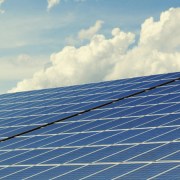
 As the world accelerates its transition to renewable energy, solar power has emerged as a cornerstone of this transformation with help from steel manufacturing. Beyond generating clean electricity, the solar boom is invigorating traditional industries, like steel. From mounting systems to trackers and frames, steel is indispensable in constructing robust and efficient solar installations. The renewable energy surge is catalyzing steel demand, reshaping supply chains, and fostering innovations in sustainable steel production.
